Honey, a natural sweetener produced by bees, has been revered for centuries not only for its delightful taste but also for its remarkable medicinal properties. Its benefits extend far beyond simple nourishment, offering a wealth of advantages for the human brain and body, though its use in infants and developing brains requires careful consideration.
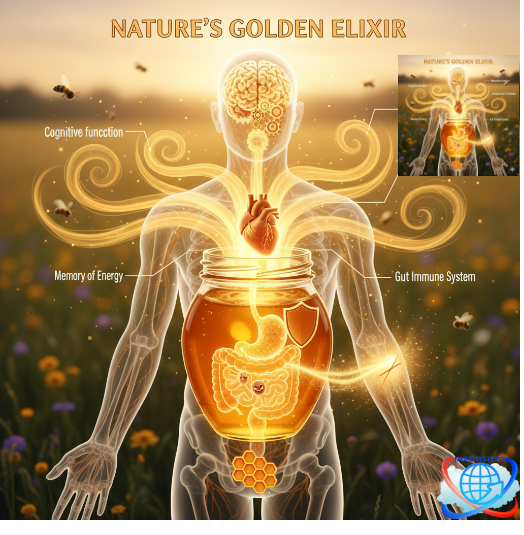
For the human body, honey is a powerhouse of nutrients and bioactive compounds. It's primarily composed of fructose and glucose, providing readily available energy. Beyond simple sugars, honey contains a complex array of antioxidants, including flavonoids and phenolic acids, which combat oxidative stress and inflammation throughout the body. These antioxidants are crucial for protecting cells from damage, potentially reducing the risk of chronic diseases like heart disease and certain cancers. Honey also possesses significant antibacterial and anti-inflammatory properties, making it a popular natural remedy for wound healing and soothing sore throats and coughs. Its prebiotic components can nourish beneficial gut bacteria, contributing to a healthy digestive system and overall immune function. Regular consumption can also support cardiovascular health by helping to lower bad cholesterol levels and improve blood pressure.
When it comes to the human brain, honey's benefits are equally compelling. The sugars in honey provide a readily available fuel source for the brain, which relies heavily on glucose for its cognitive functions. This sustained energy supply can aid in concentration, memory, and overall brain performance. The antioxidants present in honey play a vital role in protecting brain cells from oxidative damage, a factor implicated in neurodegenerative diseases. Some research suggests that honey may have neuroprotective effects, potentially enhancing memory and reducing anxiety. Its anti-inflammatory properties can also contribute to a healthier brain environment, as chronic inflammation is increasingly linked to cognitive decline.
However, the use of honey in infants and developing brains comes with a critical caveat. Honey should never be given to infants under one year of age. This is due to the potential presence of Clostridium botulinum spores, which can cause infant botulism, a serious and potentially fatal illness. An infant's digestive system is not yet mature enough to handle these spores, unlike older children and adults who have developed a protective gut flora.
For developing brains beyond infancy, honey can be a beneficial natural sweetener and energy source. As children grow past their first birthday, their digestive systems are capable of processing honey safely. The glucose in honey can support the high energy demands of a growing brain, aiding in learning and cognitive development. The antioxidants and other beneficial compounds can continue to offer protective effects against cellular damage. However, like any sugar, honey should be consumed in moderation as part of a balanced diet to prevent excessive sugar intake, which can lead to other health issues.
In summary, honey offers a spectrum of benefits for the adult brain and body, from boosting energy and cognitive function to providing antioxidant and anti-inflammatory protection. While it's a natural wonder, the specific developmental stage is paramount, with strict avoidance required for infants under one year due to botulism risk. For older individuals, it remains a sweet gift from nature with profound health advantages.